
Mayors of the World
50 cities, 50 ways to run a city
What makes a city work? Explore 27 EU capitals and 23 more of the world’s largest urban centers through historical air quality, population, urban trees and real decisions that shaped daily life.
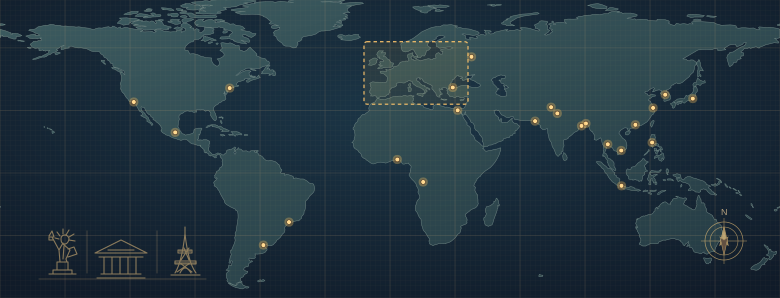
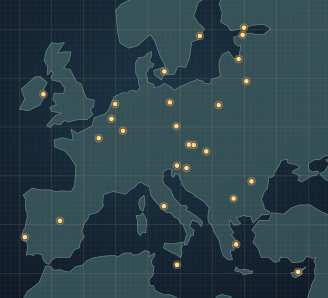
European Union capitals
One capital from each of the EU’s 27 member countries.
- AmsterdamNetherlandsCanals that doubled as a city plan
- AthensGreeceHeat is a street-level problem
- BerlinGermanyA runway that voters kept open
- BratislavaSlovakiaA capital with two international neighbors
- BrusselsBelgiumA boulevard without through traffic
- BucharestRomaniaThe public building that became a city landmark
- BudapestHungaryThe metro beneath a ceremonial avenue
- CopenhagenDenmarkGiving heavy rain somewhere to go
- DublinIrelandThe park’s residents have antlers
- HelsinkiFinlandA library where you don’t have to whisper everywhere
- LisbonPortugalA street grid drawn after disaster
- LjubljanaSloveniaA center you can cross without a car
- Luxembourg CityLuxembourgThe tram ride with no ticket price
- MadridSpainThe park over the road
- NicosiaCyprusThe infrastructure a divided city shares
- ParisFranceTaking back a riverbank, lane by lane
- PragueCzechiaFlood defenses you can put away
- RigaLatviaFrom airship hangars to shopping baskets
- RomeItalyA road old enough to be a monument
- SofiaBulgariaA Roman city on the way to the metro
- StockholmSwedenA road charge that changes with the clock
- TallinnEstoniaWho rides for free?
- VallettaMaltaA fortress with a neighborhood inside
- ViennaAustriaHousing that takes up a whole block
- VilniusLithuaniaWhat comes after a green award?
- WarsawPolandAn old town rebuilt on purpose
- ZagrebCroatiaThe park that is really a route
Major cities worldwide
The 23 largest remaining urban centers in the 2025 JRC dataset, with a limit of two from China and two from India.
- GuangzhouChinaWhat a bus can do with its own lane
- JakartaIndonesiaA new railway, and the last block on foot
- DhakaBangladeshA street gallery that pedals past you
- TokyoJapanMaking large buildings account for their emissions
- New DelhiIndiaThe train that gives energy back when it stops
- ShanghaiChinaCleaning a creek before selling the view
- ManilaPhilippinesA river that doubles as a commuter route
- CairoEgyptA historic quarter people still live in
- KolkataIndiaThe wetlands that work for a living
- SeoulSouth KoreaThe stream beneath the expressway
- KarachiPakistanA bus lane is only half the trip
- São PauloBrazilThe birthday present the city still uses
- BangkokThailandA park with a job in a downpour
- Mexico CityMexicoAn everyday commute, above the streets
- Ho Chi Minh CityVietnamOpening a first metro line is a beginning
- MoscowRussiaWhen a station is also a public room
- LahorePakistanThe fountains were part of the engineering
- IstanbulTürkiyeA rail commute under the Bosphorus
- New YorkUnited StatesTimes Square was an experiment before it was a plaza
- Buenos AiresArgentinaWhat the old docks became
- Los AngelesUnited StatesA river can be a habitat and a flood channel
- KinshasaCongo - KinshasaThe neighborhood works you don’t cut a ribbon for
- LagosNigeriaA rapid bus network that had to fit the city
How to read the numbers
These figures describe continuous urban centers defined by the European Commission’s Joint Research Centre (JRC), not city limits. A center may include suburbs or exclude parts of a municipality. For example, the New Delhi row covers the wider Delhi urban center, not just the administrative district.
PM₂.₅ values are modeled historical estimates, not live readings. Hospital proximity measures straight-line distance to mapped facilities, not travel time, affordability or capacity; map coverage varies. Mean tree canopy height is not the share of green space, tree cover or access to parks.
From real city to fictional City Hall
Take the Mayor’s Chair
Run New York or advise cities around the world in the free browser game. The scenarios are satire, not real events.
Play in your browser →